
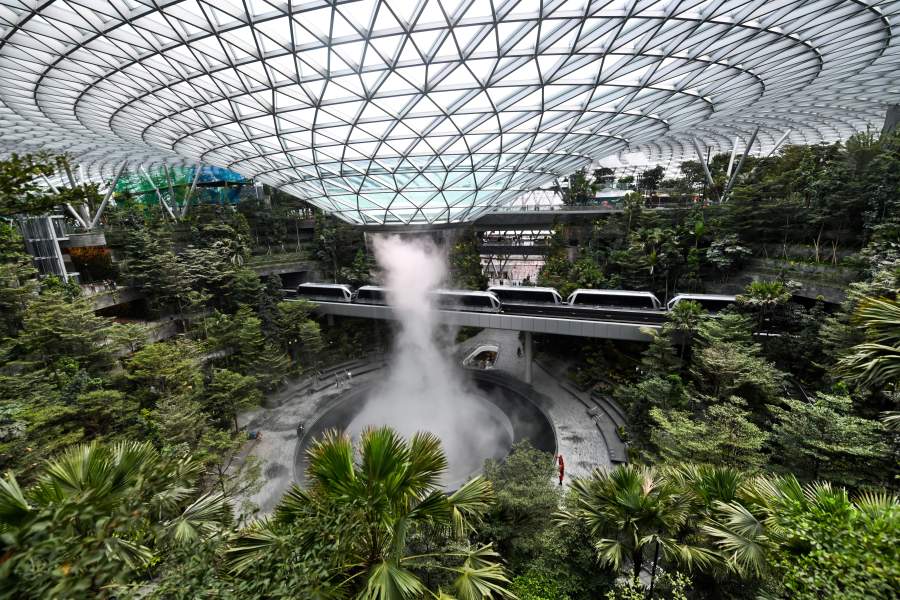
The first thing that shocked me when I arrived was the strong multiculturalism. A strong cultural mix is present in Singapore between Chinese, Indians, Arabs… I had some apprehension and expectations at first, like a mental programming, did I have to speak Chinese or Malay? Should I completely leave my comfort zone? None of that. Our arrival was better than we expected, like a honeymoon, with multiple flavors and colors. No need to speak Mandarin Chinese or Tamil or Malay, English is enough to live there. Of course, as an entrepreneur I learned a few words in Chinese as a sign of respect for those with whom I would work. My team for the restaurant was culturally mixed. Two months after the opening, there was a period of hostility: some language barriers, some judgments between employees creating isolation for some. Now, after having discussed, listened to everyone and observed everything better, the restaurant is now one of the most popular. Cultural immersion, listening to others to avoid isolation and efforts on Some differences between France and Singapore : In France from around 1.00 in the morning it is better to avoid walking in the streets, in Singapore no problem. If you are used to eating in the subway in Paris, don’t do it in Singapore you could get a fine. Finally, do not hesitate to taste all the cuisines: Chinese, Indian, Arabic, typical dishes you will not regret it
HOW TO ANTICIPATE THIS MULTICULTURAL EXPERIENCE
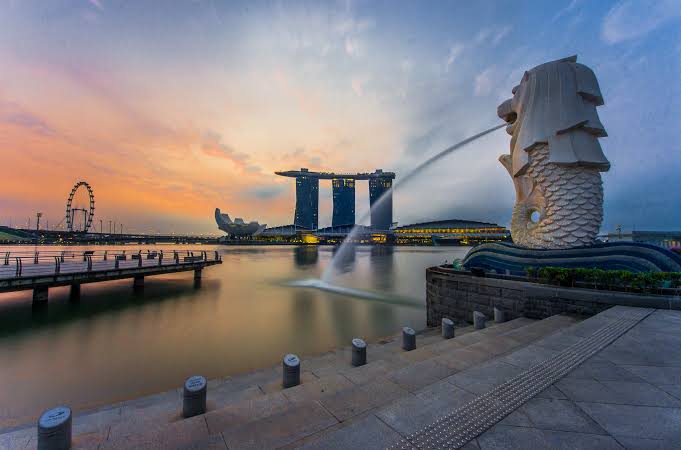
I had to understand multiculturalism in Singapore, especially by finding an effective way to communicate and get a balance between their habits and mine. The transition and assimilation of different cultures is essential because this can bring much more than we expect.
Also, I had to understand how are their business relationships, their local commitment, and the organizational structure. How the business meeting takes place, how teams & management work. In addition, the language barrier was important. In Singapore, I had to be bilingual in English and know professional key words in Chinese, in order to be integrated and to perform in my business.
Another important point : I had to know perfectly the Singaporean rules such as the laws of the country. A local lawyer is needed. I also did a first trip, because having an initial approach before initiating the project is mandatory. When it comes to opening a restaurant, making a study/benchmark about local foods and customers tastes is also recommended.
However, what I did not anticipated and that was a key point for integration was the multicultural experience. Why ? Because living and working with Singaporean people is different than with French people. Therefore, I’m gonna try to show you in this blog how to live in Singapore when you are a foreigner.
TOP 5 ADVICES FOR A BETTER MULTICULTURAL MANAGEMENT IN SINGAPORE
Setting a good example
The leader must exhibit strong commitment to addressing issues like myths, stereotypes, and real cultural differences, as well as organizational barriers that interfere with the full contribution of all employees
Set up training programs
There are two types of popular training programs : awareness and skill-building
- Awareness
It introduces the topic of managing diversity and generally includes information of workforce demographics
- Skill-building
It provides more specific information on cultural norms of different groups and how they may affect work behaviour
Revamp reward system
An organization’s performance appraisal and reward systems should reinforce the importance of ellective diversity management
Max room for social events
Company sponsored social events – picnics, softball games, volleyball, bowling leagues, Christmas parties, etc -can be tremendously useful in getting members of different ethnic and cultural backgrounds together and providing them with opportunities to learn about one another.
Flexible work environment
Flexible work environments- which is characterized as a positive development for all workers -could be particularly beneficial to people from non traditional cultural backgrounds because their approaches to problems are more likely to be different from past norms.
WORKING IN SINGAPORE : TOP 3 OBSTACLES
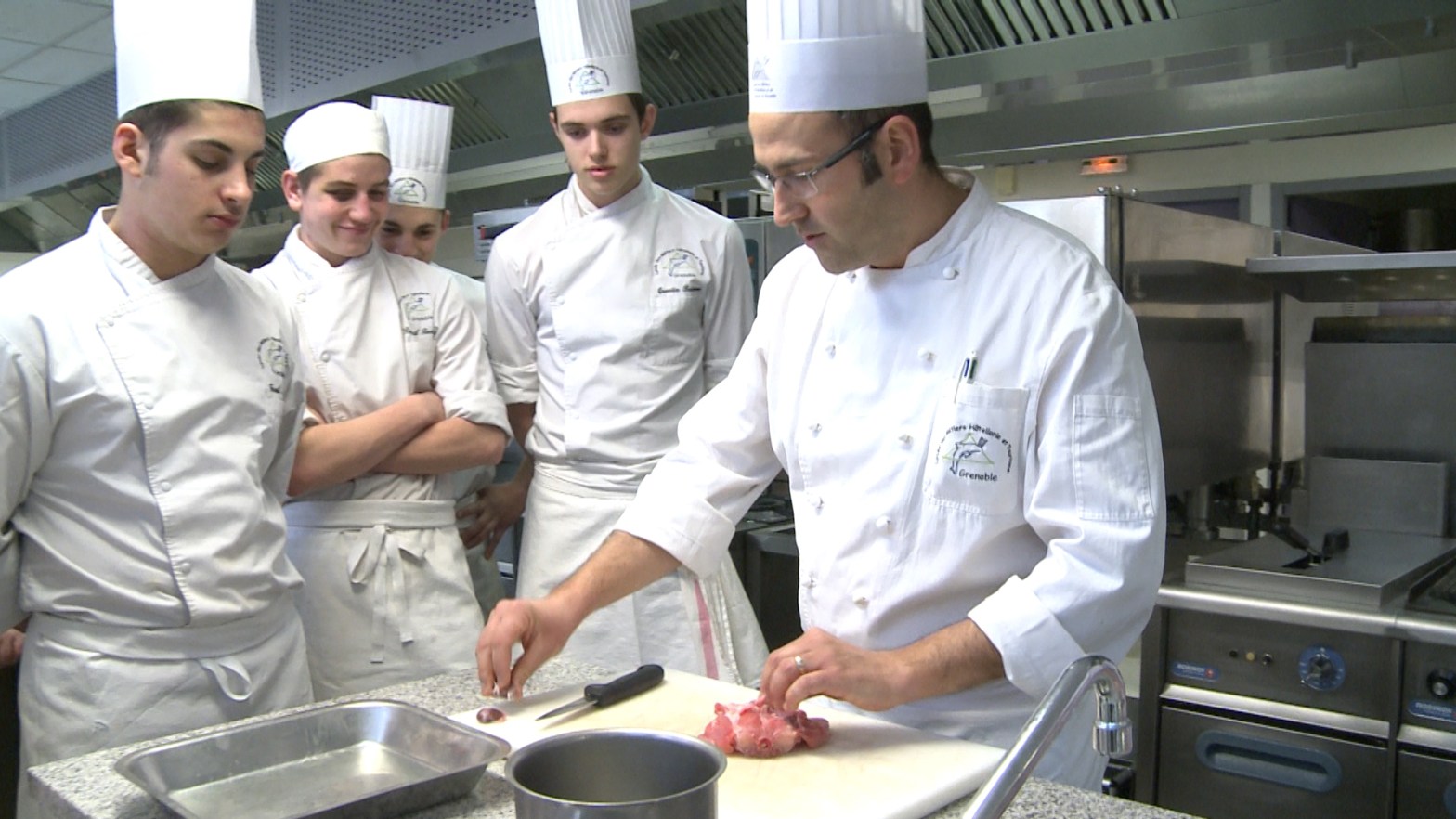
For my restaurant, I had to hired Singaporean waiters. Therefore, I have experienced what is like to work with Singaporean people so here are my top 3 advices :

- STOP PLANNING EVERYTHING
In France and especially in restaurants, we are used to make long speeches before going to work in order to plan everything. However, Singaporean are less methodical. This is actually a good thing because Singaporean are less afraid of uncertainty. Therefore, rather than plan everything for the week or the month, try to set some goals for the day.
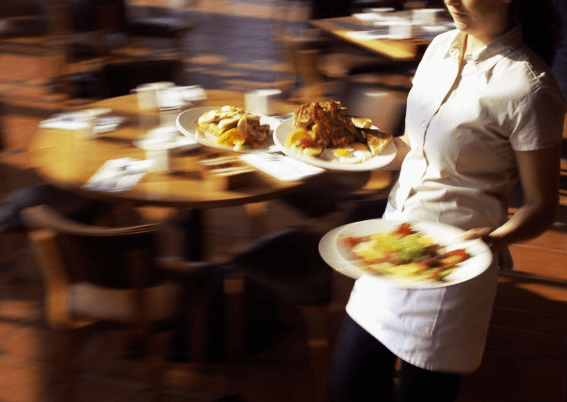
- DON’T PUT TOO MUCH PRESSURE ON INDIVIDUALS
Something that I have noticed in my restaurant was that Singaporean people always work better as a group. Therefore standing out is not always desirable. For instance, in France we used the system of “Employee of the month” and I tried to implement it in Singapore. As a result, since Singaporean wasn’t used to it, the team ended less united and less efficient. Therefore, be aware of the notion of social relationship.
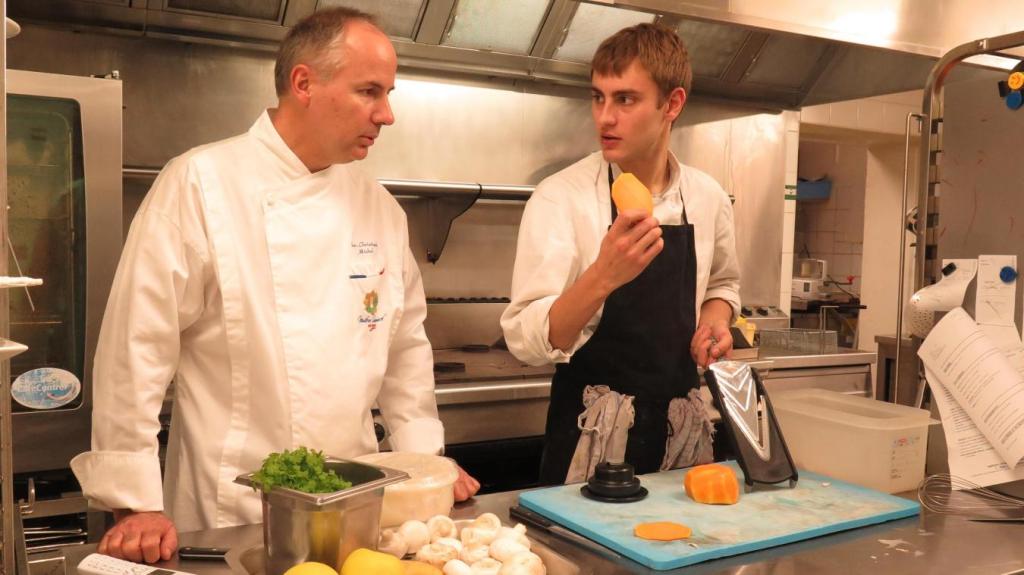
- TRY TO ADOPT A HIGH-CONTEXT COMMUNICATION
Finally, let’s talk about communication because this might be one the main differences with France. Singaporean people are very nice people. Therefore, they will try to avoid saying “NO” at all costs, even though they don’t know how to do something. For example, if you ask them if they know how to cook a French dessert, they will pretend that they do. This can be quite problematic because you are never sure of their response. Therefore, try to be less direct on your communication.
CONCLUSION : WHAT I HAVE LEARNED
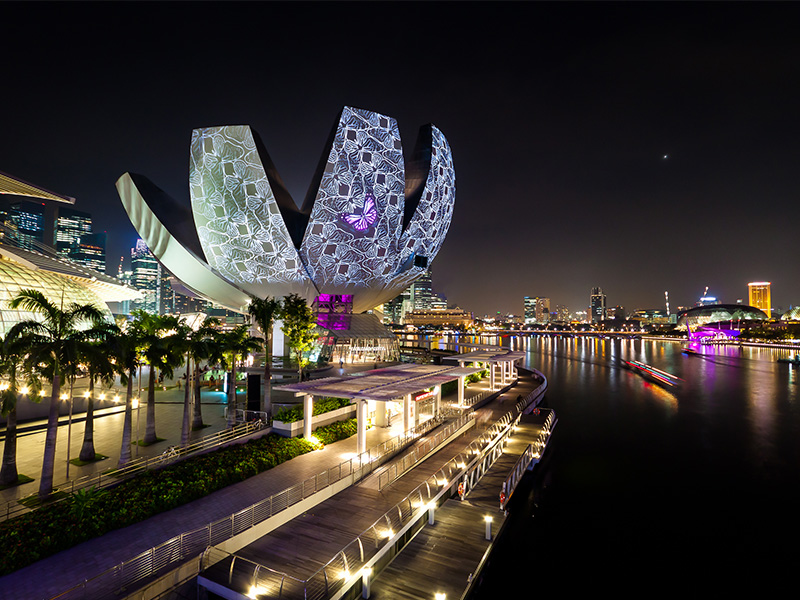
Now, you know everything about my life in Singapore : an amazing experience where I learned a lot about multicultural management.
This diversity in Singapore really get me out of my comfort zone and seeing Singaporean people modernizing traditional businesses with new solutions and innovation inspired me a lot. Especially with their approach of sustainable development. This new way of thinking drive me to make a proper use of planet ressources. For instance, in the restaurant we only use vegetables from our own vegetable garden.
At the end, sharing with Singapore people allow me to change my perception, be aware of the cross cultural differences and realize that we all benefit from diversity.
However, keep in mind this is only my French experience, things could have been completely different and as JL Bourelle said “We all see the world through cultural glasses”.
 French Chief in Singapore